
 By admin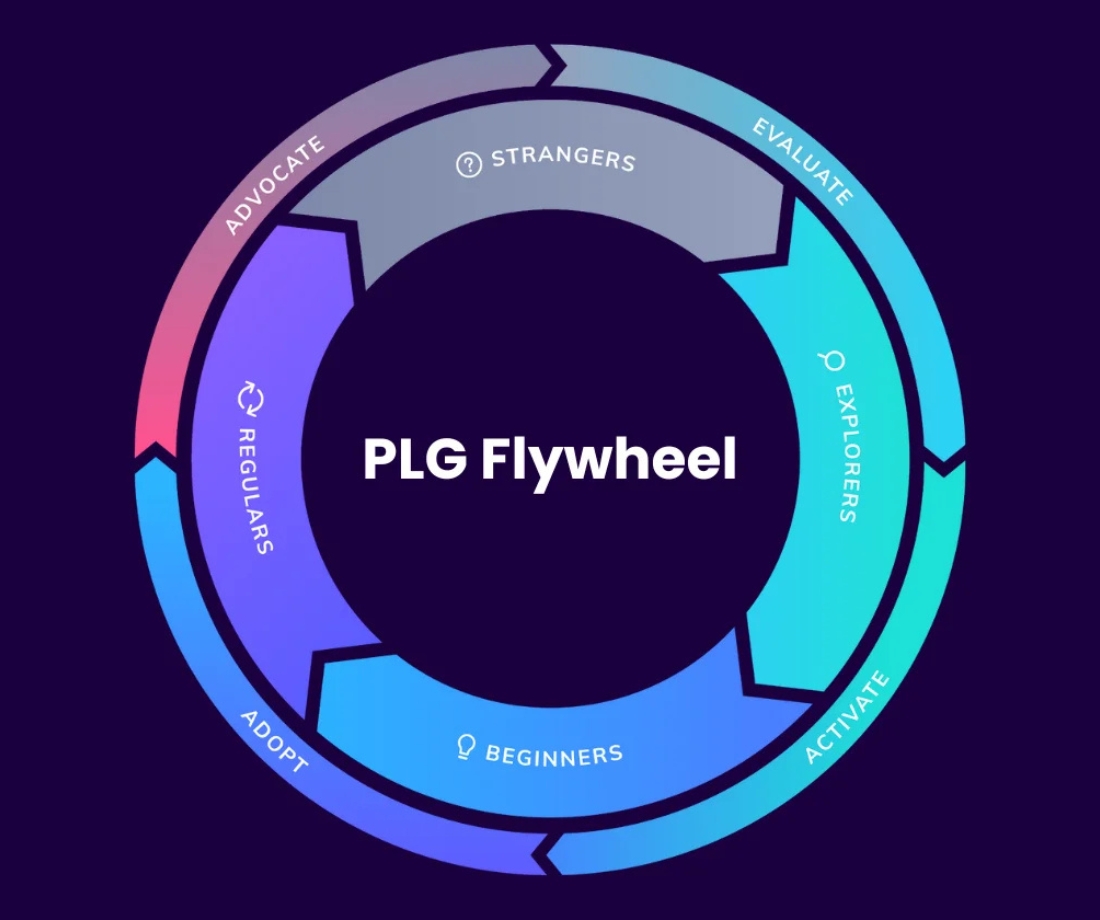
Most SaaS teams don’t fail because they lack tools; they fail because they rely on the wrong ones. I’ve seen teams spend thousands on PLG tools and still struggle to grow. The idea of plg supplies sounds simple: get the right tools, optimize onboarding, and growth will follow. But in reality, it’s not that straightforward.
I’ve seen teams invest heavily in product-led growth tools, only to end up confused by data and overwhelmed by features. The problem wasn’t the tools: it was how they were used.
This article takes a more practical approach. Instead of listing random tools, we’ll break down the plg supplies that actually help teams grow faster, based on real user behavior, common mistakes, and deeper insights that most articles miss.
Why Most PLG Supplies Fail to Deliver Results
Many teams assume that adding more tools will automatically improve growth. But after analyzing different SaaS onboarding optimization flows, one thing becomes clear: tools don’t fix unclear user journeys.
Most products fail because users don’t understand what they should do next. Even the best dashboards and automation systems cannot solve that.
Here are the real reasons why most PLG supplies fail:
- Users don’t reach their “aha moment” quickly
- Onboarding focuses on features instead of outcomes
- Teams collect data but don’t act on it
- Too many tools create confusion instead of clarity
When I looked deeper into multiple SaaS products, I noticed that successful teams weren’t using more tools: they were using fewer tools more effectively.
The Core PLG Supplies That Actually Drive Growth
If you want real results, you need to focus on the right systems, not just more systems.
Product Analytics That Explain Behavior
Not all product analytics platforms are useful. Many just show numbers without context.
The ones that actually help growth focus on behavior:
- Where users drop off
- What actions lead to retention
- Which features are ignored
Instead of tracking everything, smart teams focus on key moments:
- First meaningful action
- First success (aha moment)
- First return visit
This approach makes user activation strategies much more effective because decisions are based on real behavior, not assumptions.
Onboarding That Moves Users Forward
Most onboarding experiences try to teach everything at once. That’s a mistake.
Effective SaaS onboarding optimization focuses on guiding users toward one clear outcome.
A strong onboarding flow should:
- Show users one goal at a time
- Remove unnecessary steps
- Adapt based on user actions
- Focus on doing, not reading
This is what creates a true self-serve product experience: where users don’t need help because the product guides them naturally.
In-App Engagement That Feels Natural
In-app engagement tools can either improve the experience or completely ruin it.
Too many pop-ups and tooltips interrupt users and reduce focus.
The best systems use:
- Contextual messages based on behavior
- Small nudges instead of aggressive prompts
- Timely suggestions when users are stuck
This becomes especially powerful when combined with freemium conversion techniques, where the right message at the right time can turn a free user into a paying customer.
Growth Loops That Sustain Momentum
Most teams think in funnels, but funnels end. Growth loops continue.
Growth loops in product strategy focus on actions that create ongoing value.
Examples include:
- Users inviting teammates → collaboration increases → product value grows
- Users completing actions → unlocking more features → deeper engagement
- Users sharing results → bringing new users into the system
These loops reduce reliance on constant marketing and help build sustainable growth.
Common Mistakes Teams Make with PLG Supplies
Even with the right tools, teams often limit their own success.
- Adding too many tools without a clear strategy
- Focusing on features instead of user outcomes
- Ignoring the user’s “aha moment.”
- Collecting data but not acting on insights
- Overcomplicating onboarding flows
- Using too many pop-ups and in-app messages
Pros and Limitations of Using PLG Supplies
Pros
Using the right plg supplies can significantly improve growth:
- Faster onboarding and activation
- Better understanding of user behavior
- Scalable growth without large sales teams
- Improved user experience
- Stronger freemium conversion
Limitations
However, there are also challenges:
- Tools can create a false sense of progress
- Data can be misunderstood
- Over-automation can reduce human insight
- Teams may rely too much on tools instead of thinking strategically
A balanced approach is always better than blindly following trends.
PLG Supplies vs Traditional Growth Approaches
| Aspect | PLG Supplies (Product-Led Growth) | Traditional Growth (Sales-Led) |
| Core Focus | Product experience drives growth | Sales team drives growth |
| User Journey | Self-serve, users explore independently | Guided by sales reps and demos |
| Onboarding | Automated, in-app onboarding flows | Manual onboarding and training |
| Speed of Growth | Faster, scalable with minimal human effort | Slower, depends on sales capacity |
| Cost Structure | Lower customer acquisition cost over time | Higher due to sales and marketing expenses |
What Truly Drives Growth
“Growth doesn’t come from adding more users: it comes from helping users stay.”
This is where most teams go wrong.
When you focus on retention and value:
- onboarding becomes simpler
- engagement becomes meaningful
- churn naturally decreases
Reducing churn in SaaS products is not about retention campaigns: it’s about making the product genuinely useful.
How to Choose the Right PLG Supplies
Choosing the right tools is less about features and more about impact.
Ask yourself:
- Does this help users reach value faster?
- Does it simplify the user journey?
- Can we actually act on the data?
If the answer is no, it’s probably not worth using.
Keep your stack simple and focused.
Conclusion
At the end of the day, plg supplies are not about collecting tools: they are about creating a smooth and meaningful user experience. The teams that grow faster are not the ones with the biggest tech stack, but the ones that understand their users deeply and remove friction at every step. When users can easily reach value inside your product, growth becomes a natural outcome rather than something you constantly chase.
It’s also important to recognize that tools alone are never enough. Without a clear strategy, even the best plg supplies will fail to deliver results. Teams need to align around user goals, track meaningful actions, and continuously improve based on real behavior: not assumptions.
In the long run, the plg supplies that actually work are the ones that help users succeed faster, stay longer, and find consistent value. If you focus on that, you won’t just improve metrics: you’ll build a product that grows on its own.
FAQs
1. What are PLG supplies?
PLG supplies are tools and systems that help users experience product value quickly, driving growth through the product itself.
2. Why do most PLG strategies fail?
They fail because teams rely on tools without understanding user behavior or creating clear user journeys.
3. What is the most important PLG supply?
Product analytics is often the most important because it helps you understand how users interact with your product.
4. How do PLG supplies reduce churn?
They improve onboarding, engagement, and user experience, helping users find value faster and stay longer.
5. Can PLG work without a sales team?
Yes, but many companies use a hybrid approach where PLG handles early stages and sales supports high-value users.
For more Information: untappedreview